

Jumping spiders (Salticidae) are versatile predators of arthropods. They are equipped with acute vision and precise spatial movements that allow them to adopt a variety of foraging strategies to overcome their prey. Phiale guttata (Freyinae) plans a calculated leap to intercept giant orb weavers in their webs1, whereas Evarcha culicivora launches itself underneath perched Anopheles mosquitoes, taking to the air until their living parachute succumbs to their venom and crashes to the ground2. These two examples are a small window into the remarkable diversity of jumping spider behaviors. Each species comes with its own quirks and solutions for dealing with different prey, and those that specialize on ants are no exception.
Considering the vast diversity of jumping spiders (>6,000 species), a minority are known to prey on ants, yet the behavior has been described in species across the Americas3,4,5, Africa6,7, the Middle East8,9, Asia7,10, and New Zealand4. Ants have formidable defenses that can injure or even kill predators of similar body size. Many species possess powerful mandibles, a potent sting, or chemical sprays, and recruitment of nestmates means that spiders may not only have one ant to contend with. Because ants contain tough exoskeletons with small amounts of internal body tissues, spiders likely need to consume ants at a much higher frequency than say, a scrumptious caterpillar. So why then, adopt such a dietary preference, and how do spiders circumvent ant defenses? Upon observing them, the advantages of ant specialization become more apparent.

Recently, I’ve become fascinated with predator-prey interactions between jumping spiders and ants. As luck would have it, one of the most well-documented ant specialists, the twin-flagged jumping spider (Anasaitis canosa)4,11,12,13,14, can be found right around the house where I grew up in Temple, Texas. Although small, the spiders are immediately recognizable, owing to the synchronous up-and-down motion of their white-tipped pedipalps, which give them their common name. Adults are beautiful; jet-black bodies are adorned with bright white and iridescent gold scales that shimmer under the sunlight. Juveniles have a proportionally large cephalothorax and eyes, and they are dark with translucent yellow legs and a dorsal white stripe on the abdomen.
Although it was a bit chilly here in November, the spiders appeared to be well-active, and I was ecstatic. A quick peruse around the house revealed black specks with yellow legs bounding away and shuffling neatly between stones to avoid detection. Surely the spiders must be highly abundant in the leaf litter, yet far more cryptic among greens and browns in comparison to lighter tones. Curiously, most were early instars, merely 2–4 mm long, and one out of every 10-15 spiders were occupied with devouring a tiny ant held in between their mandibles. By far, the most common ant species in the area is the rover ant (Brachymyrmex patagonicus), which has a reputation for thriving in human-modified habitats. These diminutive prey are probably not very rewarding to larger spiders, but their high abundance makes them a bountiful food source. For juveniles, I’m guessing that one or two ants likely satiate them.
My excitement for the spiderlings soon turned into a quest to find more mature spiders, at least a few more millimeters in length. Hunched over with small shuffling steps, I scanned the ground intensively for any signs of rapid movement. This was a technique I was well acquainted with— I have spent countless hours catching miniaturized leaf litter geckos in the Greater Antilles for my Ph.D. Here in central Texas, braconid wasps, picture-winged flies, and gnats were abound, but adults of A. canosa were few and far in between. Eventually, I was able to find several individuals, not quite adults, but large enough to sport their typical color pattern.

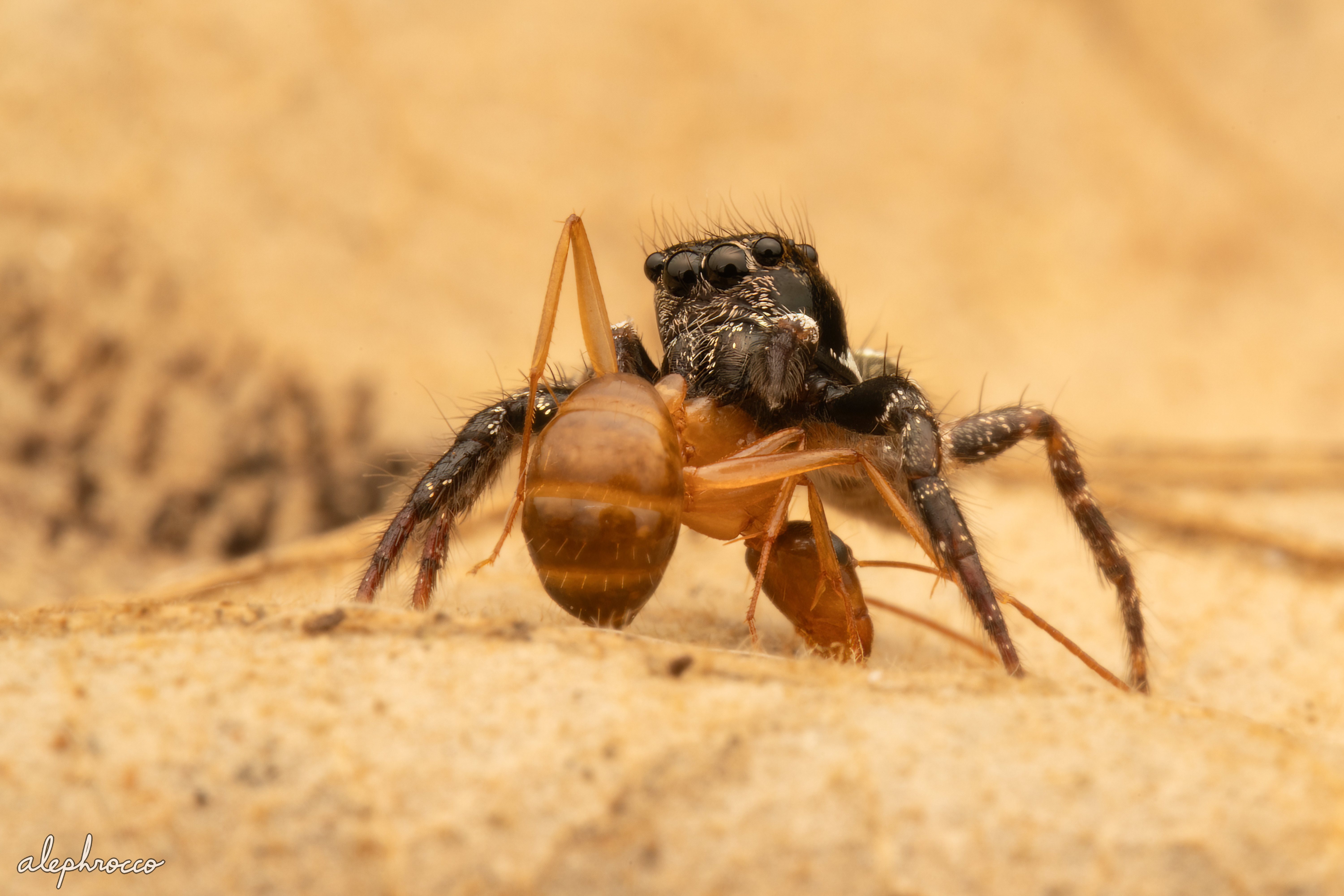
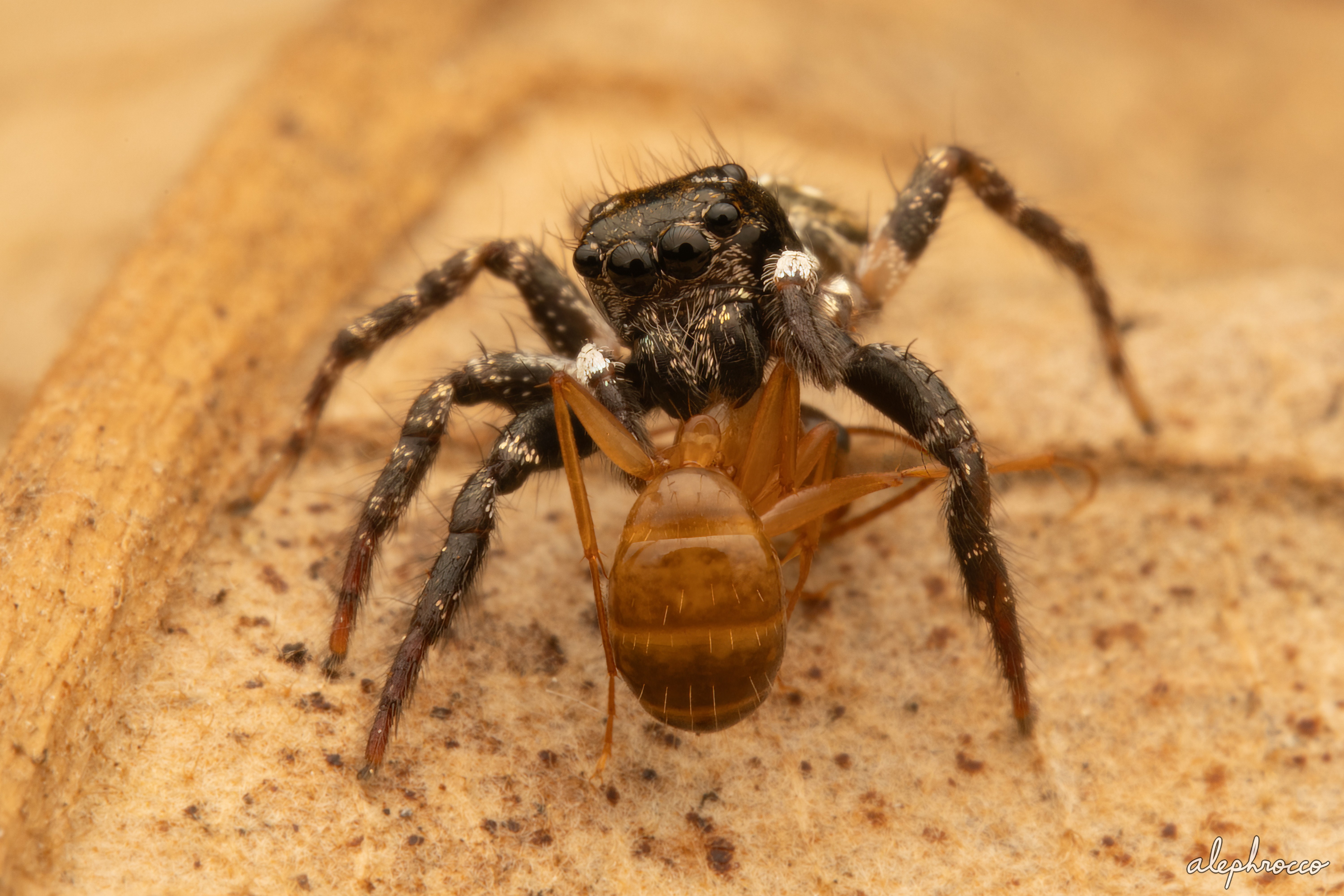
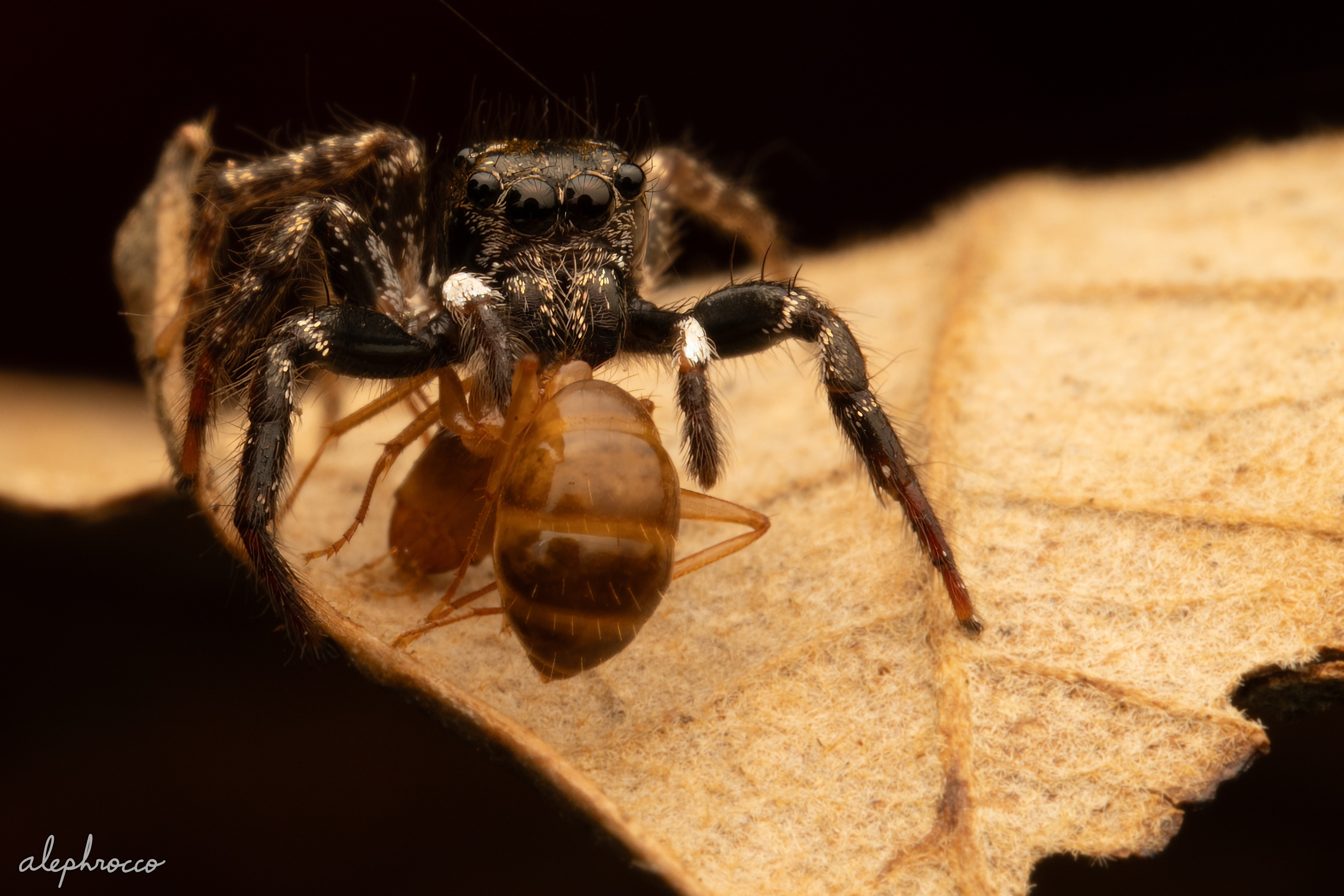
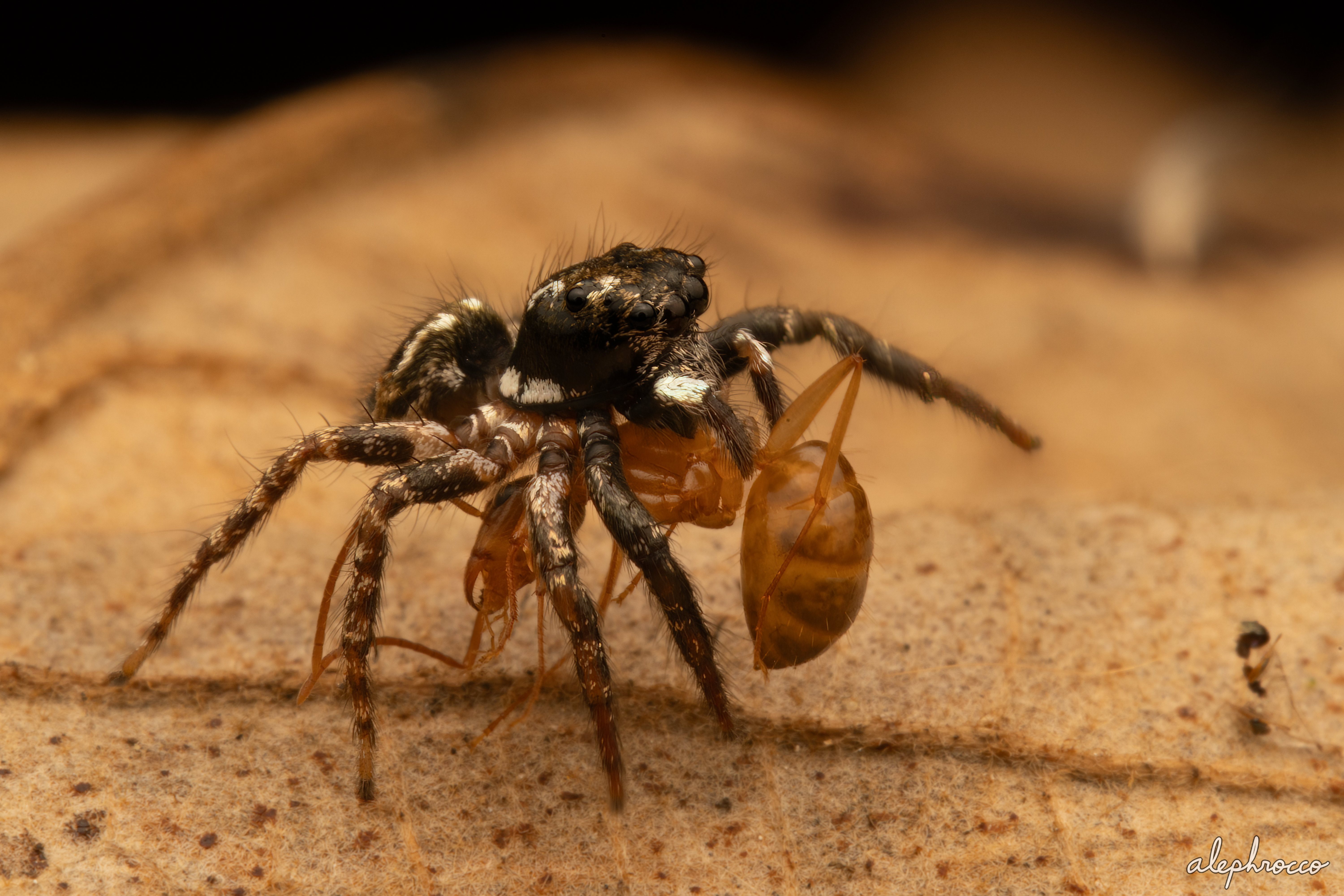
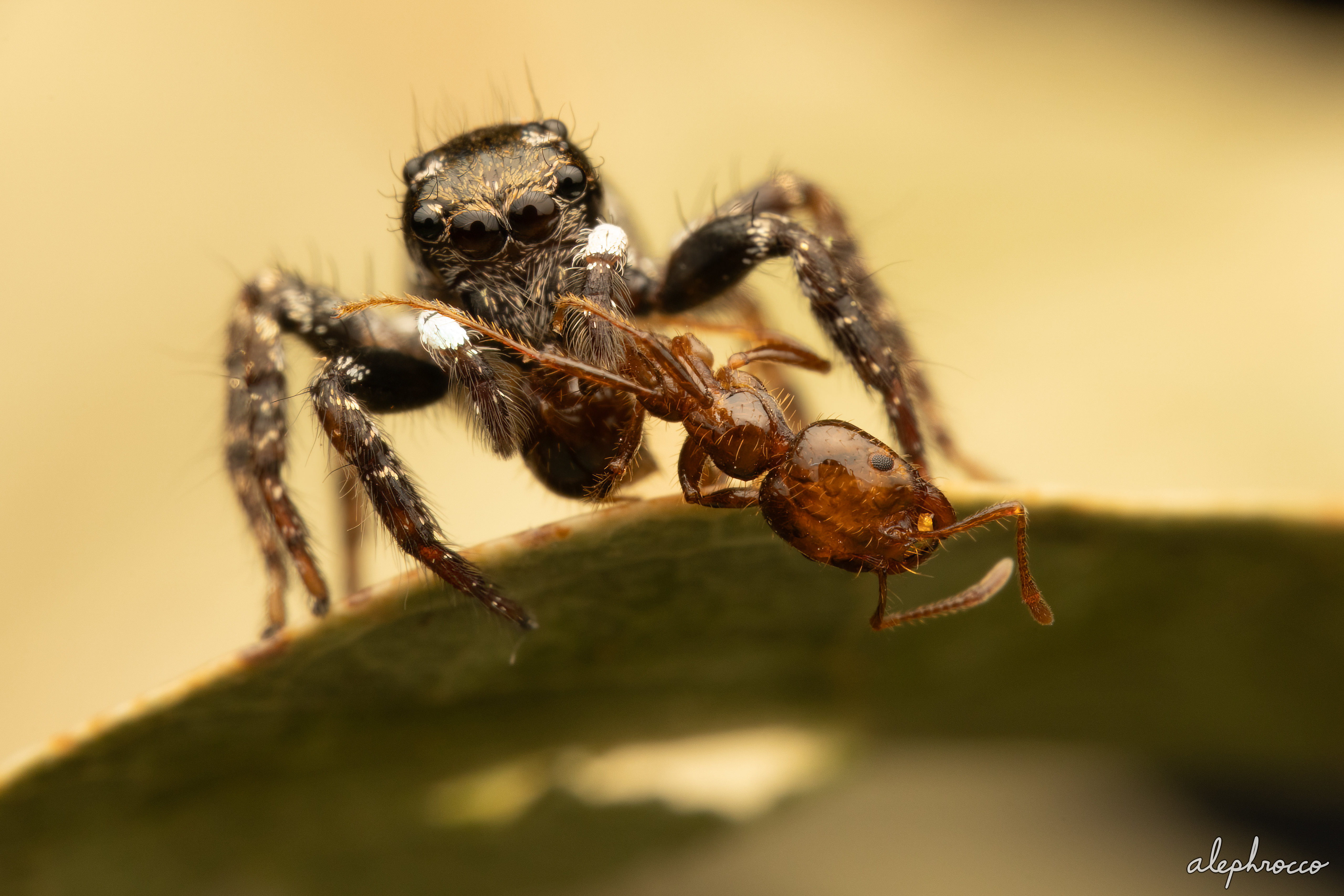
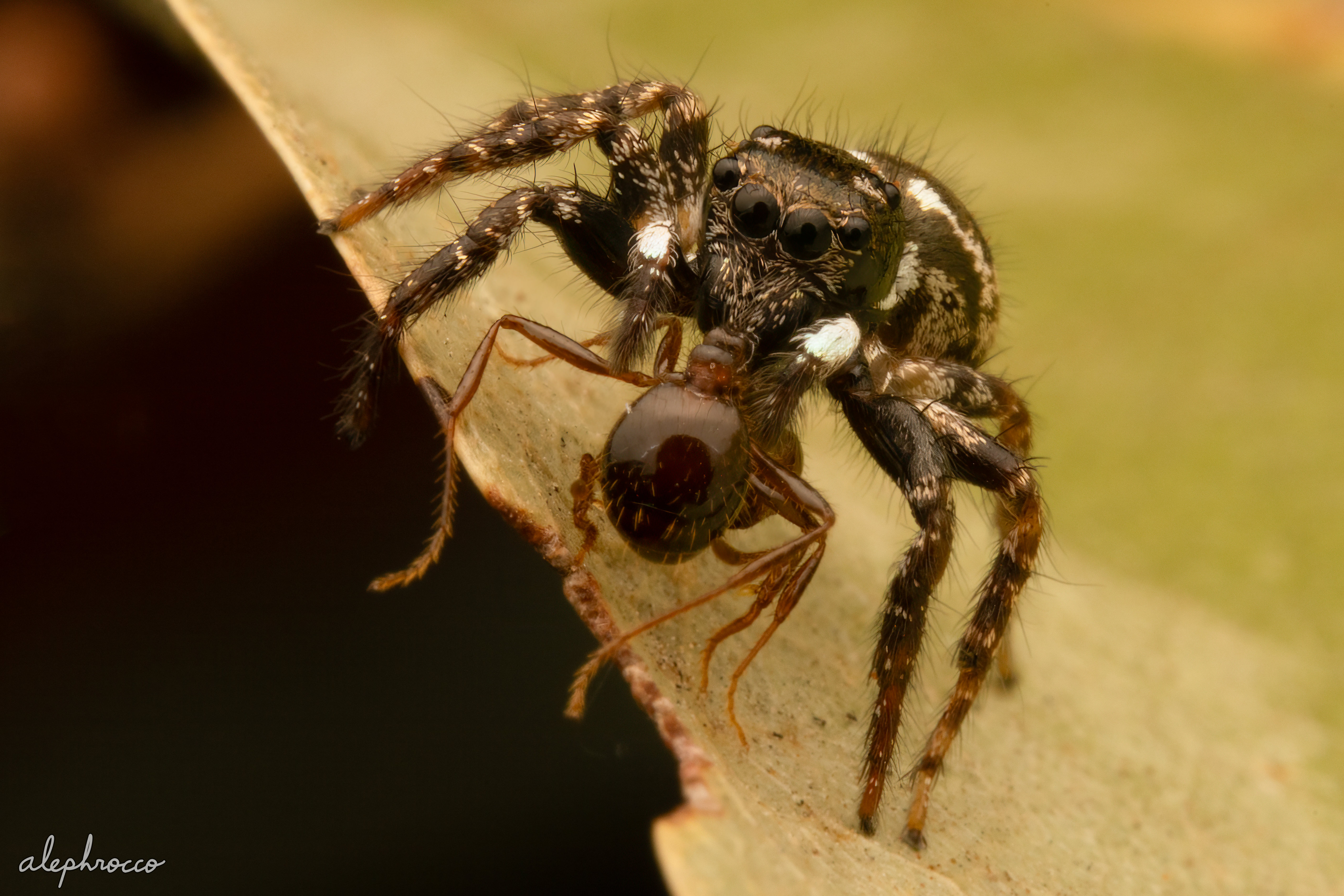
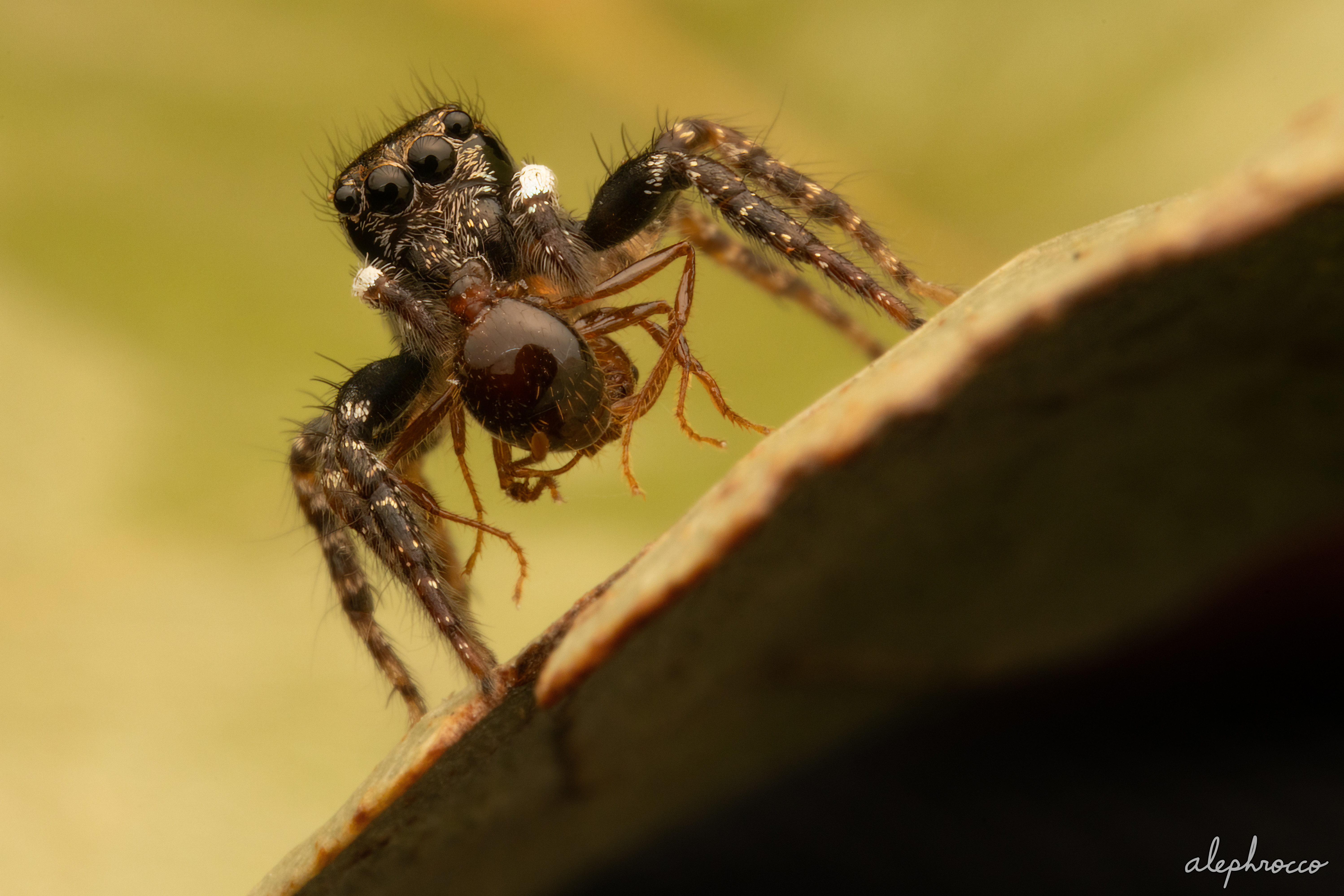
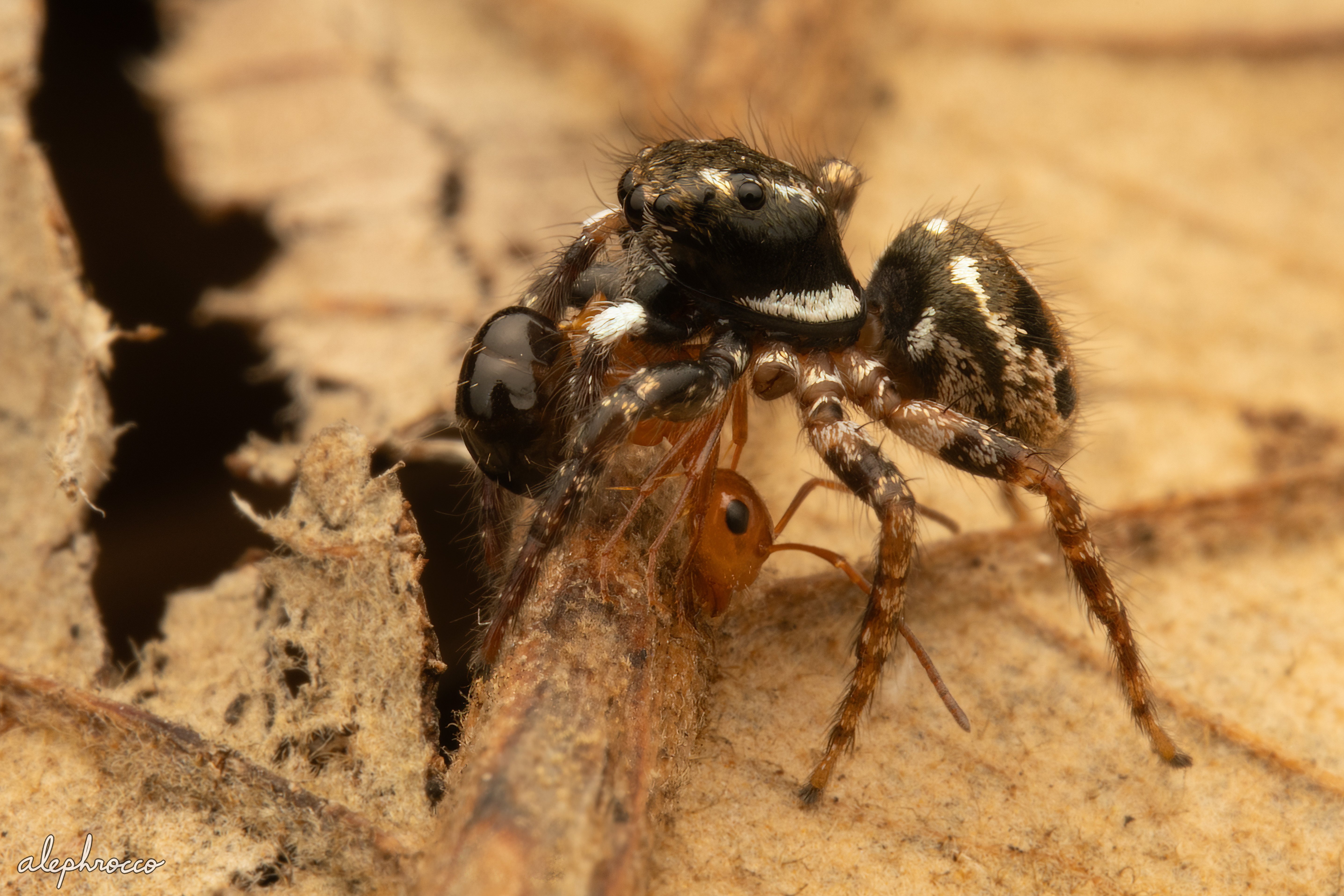
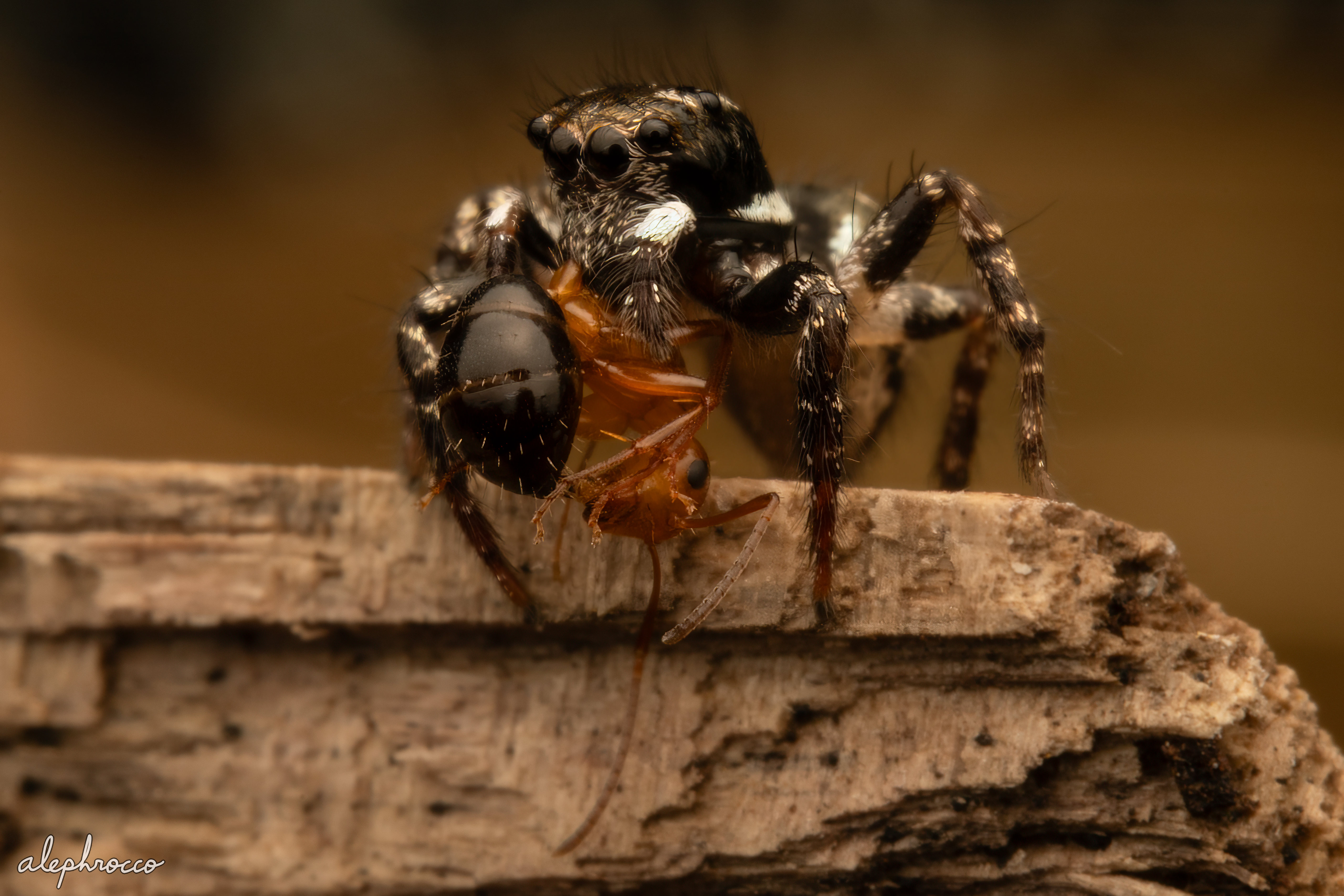
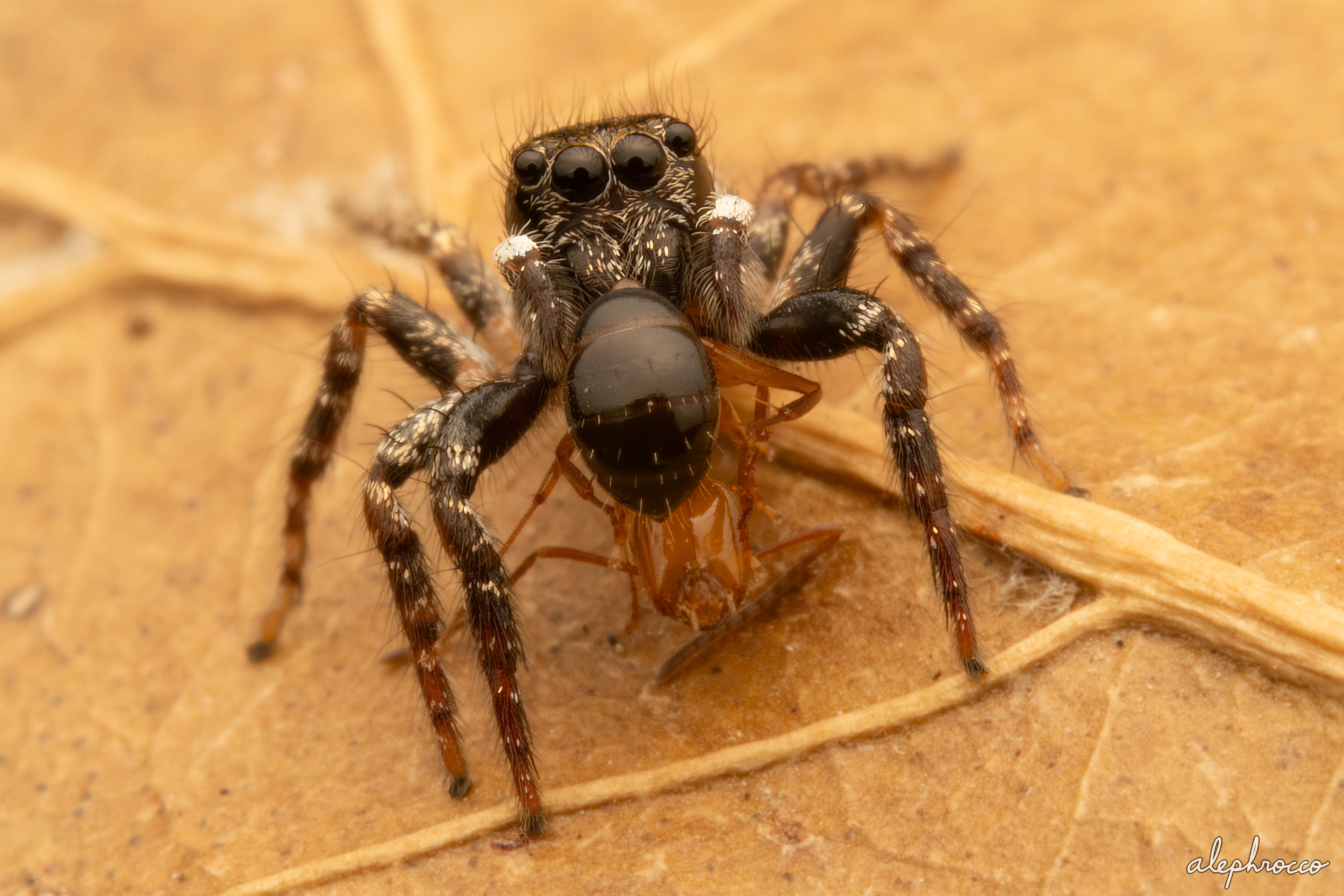
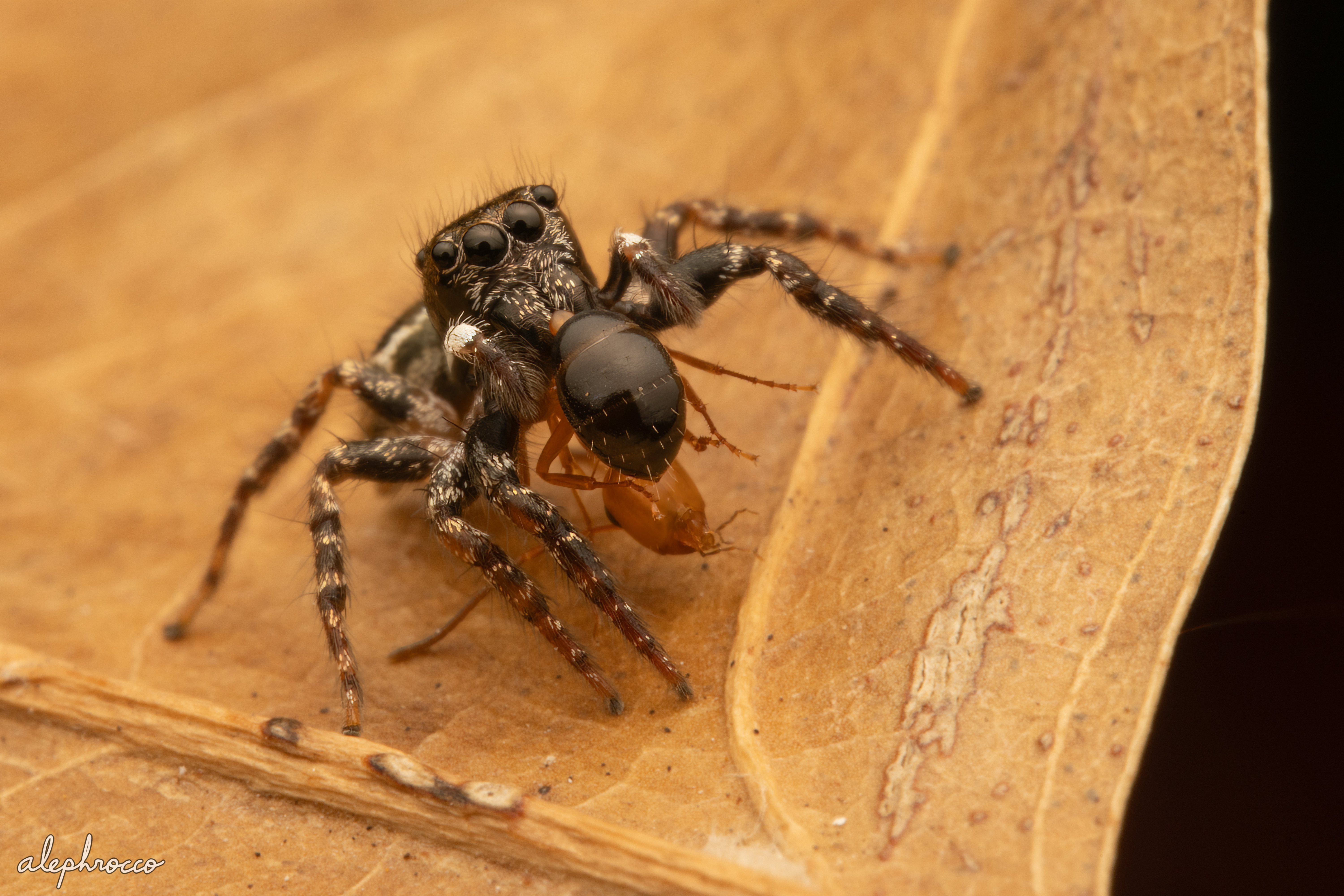
Intrigued about the spiders’ ability to catch ants, I presented them with a few species collected from their same habitat. The first spider was given Camponotus cf. decipiens, a shy and docile ant, and the spider made quick work of its prey. A swift bite from above, piercing the posterior part of the mesosoma (e.g., propodeum), rendered the ant immobile. The second spider caught Camponotus cf. sansabeanus but showed more hesitancy. After multiple reorientations to the ant, the spider eventually tracked the ant in parallel moving sideways, before a failed pounce, followed by a successful one. The spider stood tall, holding its body off the ground and forelegs up in the air while the ant became catatonic, unable to secure a hold on the ground or reach the spider. The third spider was offered a fire ant (Solenopsis invicta), smaller than both of the Camponotus species. Despite the stinger, the ant was quickly subdued by the spider, and within seconds the ant curled downwards, succumbing to the venom.
All three spiders remained motionless for nearly half a minute after their prey was captured, ensuring their venom had taken effect. After, they sought dark refuges to digest in safety. Even with the commotion of my looming camera and flashes, the spiders were extremely reluctant to drop their prey. Only after a miscalculated movement on my part did the third spider leave its fire ant and scurry away. Concerned, I quickly grabbed the ant and dropped it in front of the spider, and I was amused with the spider’s immediacy in grasping the ant once again to continue feeding. Checking up on the spiders, I noticed that each continued to hold its ant prey with the mandibles for many hours, suggesting that external digestion is a slow process for A. canosa.
Clearly, twin-flagged jumping spiders are adept at catching their ant prey. However, under natural conditions, predation is likely not as straightforward. The affinity of spiders to ants brings them into worlds dominated by ants— hundreds to thousands moving along trials in proximity and sometimes, fierce coordinated defenses near nest entrances. Jumping spiders are agile and maneuverable predators, but they must take care in their predatory strategies to avoid injury. They must decide which individual ant to prey on, how to contact them optimally, and under what circumstances. Nearly all the spiders were missing legs, noticeably impeding their movement ability to some degree, and although I cannot say for sure, the injuries may have been the result of altercations with prey. Needless to say, the life of a small spider in the leaf litter is not without its challenges. Given the immense diversity of ants, it would not be surprising to discover that spiders fine-tune their foraging strategies according to the defensive capabilities (morphology + behavior) of different ant species.
To think that all these years, right under my nose, a constant battle between spiders and ants has been ongoing. In fact, while putting together this blog post, I noticed one A. canosa just a few inches from my head on the wall behind me— a reminder that we all too often miss remarkable creatures that constantly surround us. In exchange for its fact-checking, I will be sure to reward it with an ant.
All photographs after capture, under controlled conditions. Spiders were offered ant prey to observe predation strategies [6]








- Robinson, M. H., & Valerio, C. E. (1977). Attacks on large or heavily defended prey by tropical salticid spiders. Psyche: A Journal of Entomology, 84(1), 1-10.
- Nelson, X. J., Jackson, R. R., & Sune, G. (2005). Use of Anopheles-specific prey-capture behavior by the small juveniles of Evarcha culicivora, a mosquito-eating jumping spider. The Journal of Arachnology, 33(2), 541-548.
- Li, D., Jackson, R. R., & Cutler, B. (1996). Prey‐capture techniques and prey preferences of Habrocestum pulex, an ant‐eating jumping spider (Araneae, Salticidae) from North America. Journal of Zoology, 240(3), 551-562.
- Jackson, R. R., & Olphen, A. V. (1991). Prey‐capture techniques and prey preferences of Corythalia canosa and Pystira orbiculata, ant‐eating jumping spiders (Araneae, Salticidae). Journal of Zoology, 223(4), 577-591.
- Baigorria, J. E. M., Rubio, G. D., Stolar, C. E., & Oklander, L. I. (2021). Notes on the jumping spider Corythalia conferta (Araneae: Salticidae), a possible myrmecophagous specialist in Argentina.
- Pekár, S., & Haddad, C. (2011). Trophic strategy of ant-eating Mexcala elegans (Araneae: Salticidae): looking for evidence of evolution of prey-specialization. The Journal of Arachnology, 39(1), 133-138.
- Jackson, R. R., & Olphen, A. V. (1992). Prey‐capture techniques and prey preferences of Chrysilla, Natta and Siler, ant‐eating jumping spiders (Araneae, Salticidae) from Kenya and Sri Lanka. Journal of Zoology, 227(1), 163-170.
- Li, D., Jackson, R. R., & Harland, D. P. (1999). Prey-capture techniques and prey preferences of Aelurillus aeruginosus, A. cognatus, and A. kochi, ant-eating jumping spiders (Araneae: Salticidae) from Israel. Israel Journal of Ecology and Evolution, 45(3), 341-359.
- Huseynov, E. F., Jackson, R. R., & Cross, F. R. (2008). The meaning of predatory specialization as illustrated by Aelurillus m-nigrum, an ant-eating jumping spider (Araneae: Salticidae) from Azerbaijan. Behavioural Processes, 77(3), 389-399.
- Jackson, R. R., Li, D., Barrion, A. T., & Edwards, G. B. (1998). Prey‐capture techniques and prey preferences of nine species of ant‐eating jumping spiders (Araneae: Salticidae) from the Philippines. New Zealand Journal of Zoology, 25(3), 249-272.
- Edwards, G. B., Carroll, J. F., & Whitcomb, W. H. (1974). Stoidis aurata (Araneae: Salticidae), a spider predator of ants. Florida entomologist, 337-346.
- Hill, D. E., Horse, W., Drive, C., & Carolina, S. (2006). Predatory pursuit of ants by Anasaitis canosa (Araneae, Salticidae). Version, 2, 1-6.
- Schadegg, P., & King, J. R. (2021). Feeding habits of the jumping spider Anasaitis canosa (Araneae: Salticidae) in the field. Florida Entomologist, 104(1), 54-55.
- Stalcup, K., Taylor, L., & Powell, E. (2023). Twin-flagged Jumping Spider Anasaitis canosa (Walckenaer, 1837)(Arachnida: Araneae: Salticidae): EENY-802/IN1395, 3/2023. EDIS, 2023(2).